
Living Sustainably at Home: The Rise of Low-Waste and Circular Products
Step into a practical, inspiring journey through Sustainable Home Lifestyles: Growth of Low‑Waste and Circular Household Products, where mindful choices, product reuse, and smart design reduce everyday waste, cut costs, and build resilient households while nurturing environmental health, community connection, and lasting comfort.
From Waste to Worth: Rethinking Daily Choices
Audit Your Bin
Start with a one-week trash and recycling audit, spreading contents on a tarp and tallying common culprits like plastic wrap, takeout containers, and paper towels. The surprising patterns reveal quick wins, guiding swaps such as beeswax wraps, refill stations, durable containers, and microfiber cloths that immediately shrink volume and frequency of curbside pickups.
Set Up Friction-Free Systems
Design stations that remove excuses: a labeled return bin for jars, hooks for produce bags by the door, and a countertop caddy for compost. When the next action is obvious, sustainable choices happen automatically, saving time, reducing mess, and reinforcing a smooth, repeatable flow every family member can follow.
Celebrate Small Wins
Reward momentum through visible metrics and tiny rituals: track fewer bags at the curb, count monthly refills, or log dollars saved. Share snapshots with friends, invite neighbors to try swaps, and mark milestones with a plant, repaired tool, or treasured secondhand find that symbolizes progress worth keeping.
Kitchen Innovations That Slash Disposables
The kitchen is the heartbeat of household materials flow, and optimizing it delivers immediate results. Durable storage, refillable staples, smart meal planning, and composting redirect waste before it starts. These habits protect budgets and taste buds, reducing plastic exposure while inspiring creative cooking that celebrates leftovers and seasonal abundance.
Cleaning and Laundry, Reimagined for Circular Living
Household cleaning can be lighter on lungs, waterways, and wallets. Concentrated formulas, solid bars, refill kiosks, and long-lived tools cut packaging and transport emissions. Simple routines, gentle ingredients, and good storage keep surfaces sparkling while extending textile lifespans, preventing microfiber pollution, and replacing throwaway culture with dependable, elegant cleanliness.




Repair, Reuse, and Share for Maximum Lifespan
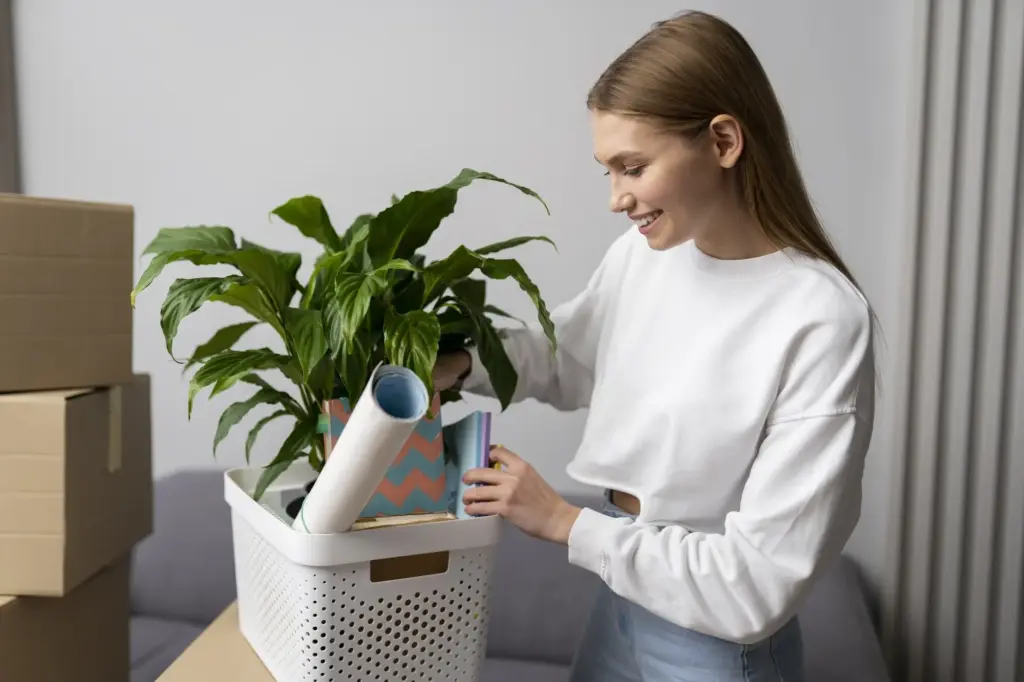
The most sustainable product is the one you already own. Building confidence with basic repairs, swapping items, and sharing seldom-used tools stretches value and prevents unnecessary manufacturing. These community-powered habits save money, teach skills, and create stories attached to objects that feel loved, resilient, and meaningfully connected to place.
Designing Spaces for Circular Flow
When rooms are arranged to make better choices effortless, materials move gracefully from use to care to reuse. Clear zones for cleaning, refilling, mending, and sorting reduce confusion and decision fatigue. The result is calmer mornings, easier tidying, and a welcoming home that quietly models responsible, future-ready living.
Buying Better: Materials, Labels, and Real Value
Thoughtful purchasing supports circular loops long before products reach your doorstep. Material choices influence recyclability, repairability, and health outcomes, while trusted certifications and transparent brands reduce guesswork. By prioritizing durability and modular design, households spend less over time and send a market signal that rewards responsible innovation, service, and stewardship.